How specialized market knowledge, analytical valuation, and residual-value forecasting can improve financial returns.
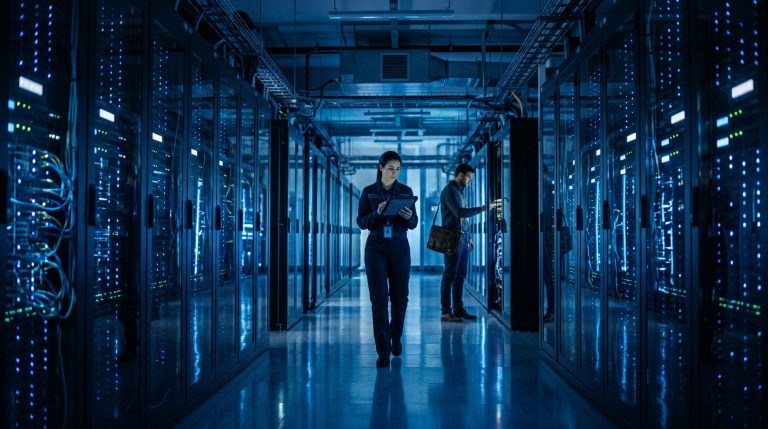
The rapid expansion of artificial intelligence, cloud computing, and high-performance computing is fundamentally changing the secondary market for enterprise technology. Data center operators are investing heavily in advanced servers, graphics processing units (GPUs), networking infrastructure, and specialized storage systems. At the same time, increasingly sophisticated hardware is entering the secondary market as organizations refresh their infrastructure. These developments are creating significant opportunities for financial recovery, but they are also introducing new complexities into IT asset disposition. For organizations managing valuable data center infrastructure, selecting an ITAD partner with specialized technical knowledge and advanced remarketing capabilities is becoming increasingly important.
Data Center Assets Require Specialized Expertise
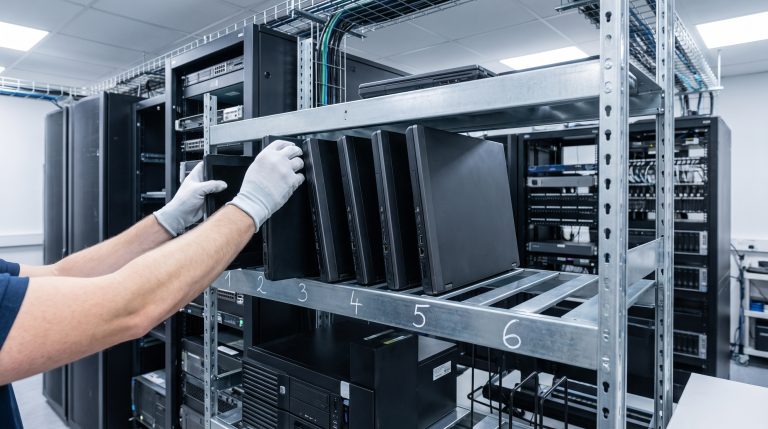
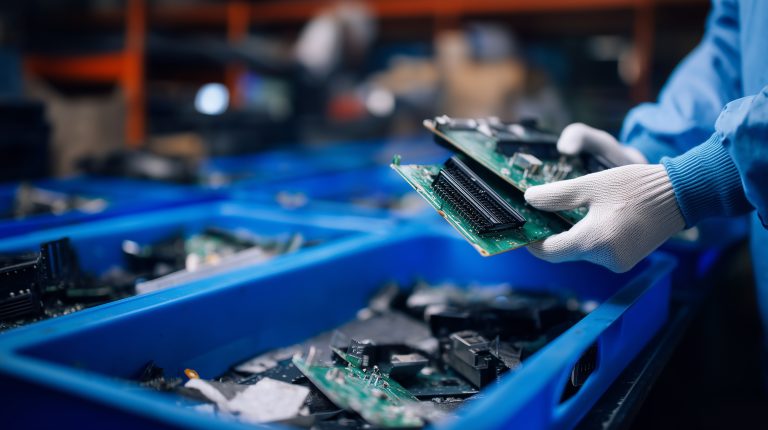
Traditional IT asset disposition frequently focuses on laptops, desktops, and general enterprise equipment. Data center infrastructure represents a different level of complexity. Servers, GPU accelerators, high-speed networking equipment, storage arrays, and specialized components can carry substantial residual value. However, that value depends on factors that are not always apparent through basic equipment identification. Processor generation, GPU architecture, memory configuration, interconnect technology, firmware compatibility, power requirements, and system condition can all influence marketability. An ITAD provider that lacks detailed knowledge of these technologies may undervalue equipment or direct assets into resale channels that fail to capture their full potential. Specialized expertise allows providers to evaluate equipment more accurately and identify opportunities for component-level recovery, refurbishment, or system resale.
The GPU Secondary Market Is Particularly Dynamic
GPUs have become critical infrastructure for artificial intelligence training, inference, scientific computing, and other demanding workloads. Demand for high-performance accelerators has created a specialized secondary market with unique pricing characteristics. Unlike traditional enterprise hardware, GPU values may be influenced by software ecosystem compatibility, memory capacity, performance per watt, interconnect capabilities, supply constraints, and the availability of newer architectures. A GPU that is no longer ideal for a large AI training environment may still be valuable for inference, research, rendering, or other specialized applications. Understanding these alternative use cases is essential. A knowledgeable ITAD partner should be able to distinguish between equipment with declining demand and equipment that retains value in specific secondary-market segments.
Analytical Valuation Creates a Competitive Advantage
Determining the value of data center assets requires more than reviewing historical resale prices. A sophisticated valuation process should incorporate multiple data points, including recent transactions, active buyer demand, available inventory, configuration differences, expected refurbishment costs, and projected selling timelines.
For GPU and server equipment, providers should also consider:
- Technology generation and performance characteristics
- Market demand across different customer segments
- Current supply and competitive pricing
- Component-level versus complete-system resale opportunities
- Expected depreciation and inventory holding costs
- Testing, refurbishment, and logistics expenses
These factors can be incorporated into financial models that estimate expected net recovery rather than relying exclusively on broad equipment categories. The result is a more informed approach to asset disposition.
Predicting Residual Values Can Improve IT Investment Decisions
One of the most valuable capabilities an ITAD partner can provide is forward-looking residual-value analysis. Organizations frequently make technology purchasing and refresh decisions years before equipment is retired. Understanding how assets may depreciate over time can help IT and finance teams evaluate total cost of ownership and determine optimal replacement cycles. For example, an organization considering whether to refresh GPU infrastructure after two years or extend utilization for another year should evaluate both operational benefits and expected changes in resale value. The calculation should consider anticipated market pricing, equipment condition, decommissioning costs, and potential value erosion. Residual-value forecasts are inherently uncertain, particularly in rapidly changing GPU markets. Nevertheless, scenario-based analysis can help organizations make better-informed decisions.
A Strong Buyer Network Is Equally Important
Accurate valuations have limited value without access to buyers capable of purchasing the equipment. Data center remarketing requires relationships with specialized resellers, infrastructure operators, component buyers, and other secondary-market participants. Different buyers may place significantly different values on identical assets depending on their technical requirements and intended applications. The ability to identify the appropriate market for each configuration can materially influence recovery.
The Blue Star Technologies Perspective
At Blue Star Technologies, we believe data center asset disposition should be approached as a specialized financial and technical discipline. As infrastructure becomes more complex and capital-intensive, organizations need ITAD partners capable of understanding equipment configurations, evaluating market demand, and developing informed residual-value strategies. This requires combining technical knowledge, analytical capabilities, buyer relationships, and disciplined operational execution. The right ITAD partner should not simply tell customers what their equipment is worth today. It should help them understand what drives that value, how it may change, and when to act to maximize financial recovery.